

EPM-R
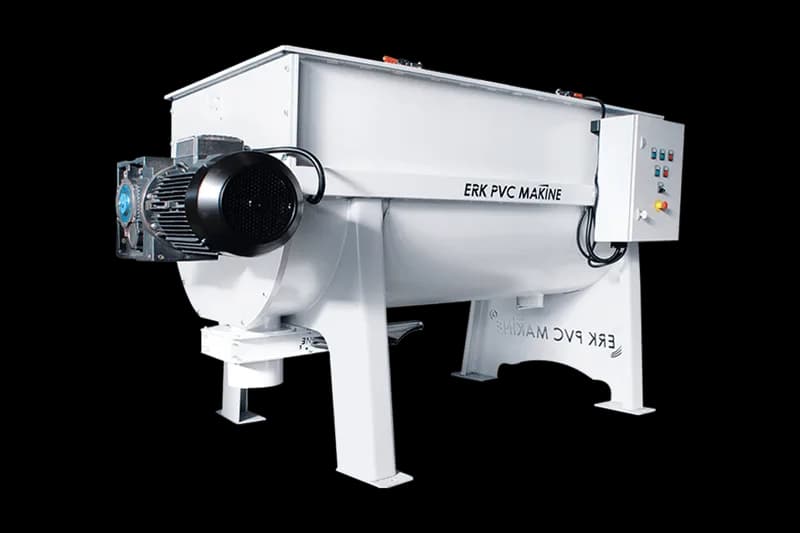
Ribbon Blender
An industrial ribbon blender for powders, granules and mixes that do not need high speed, configured to your process with a choice of materials, drives, discharge and options.
Highlights
What is a ribbon blender?
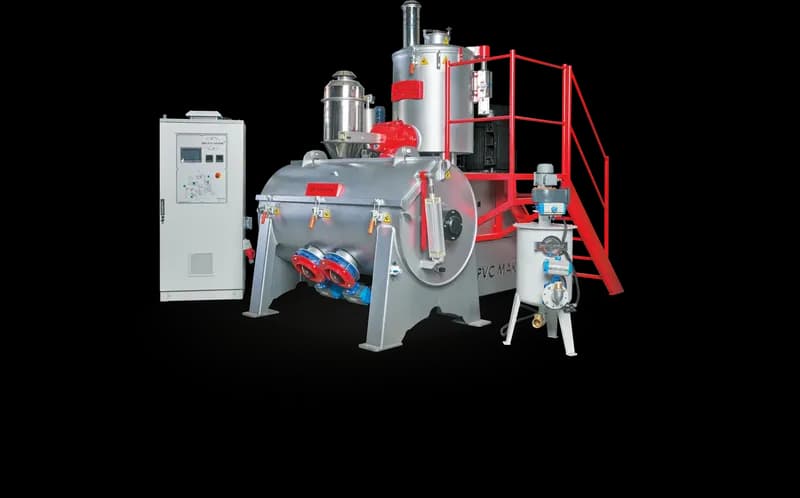
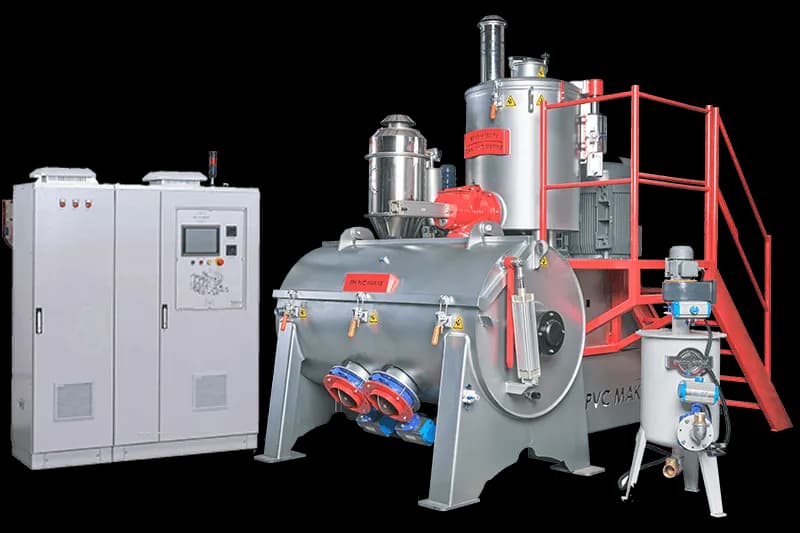
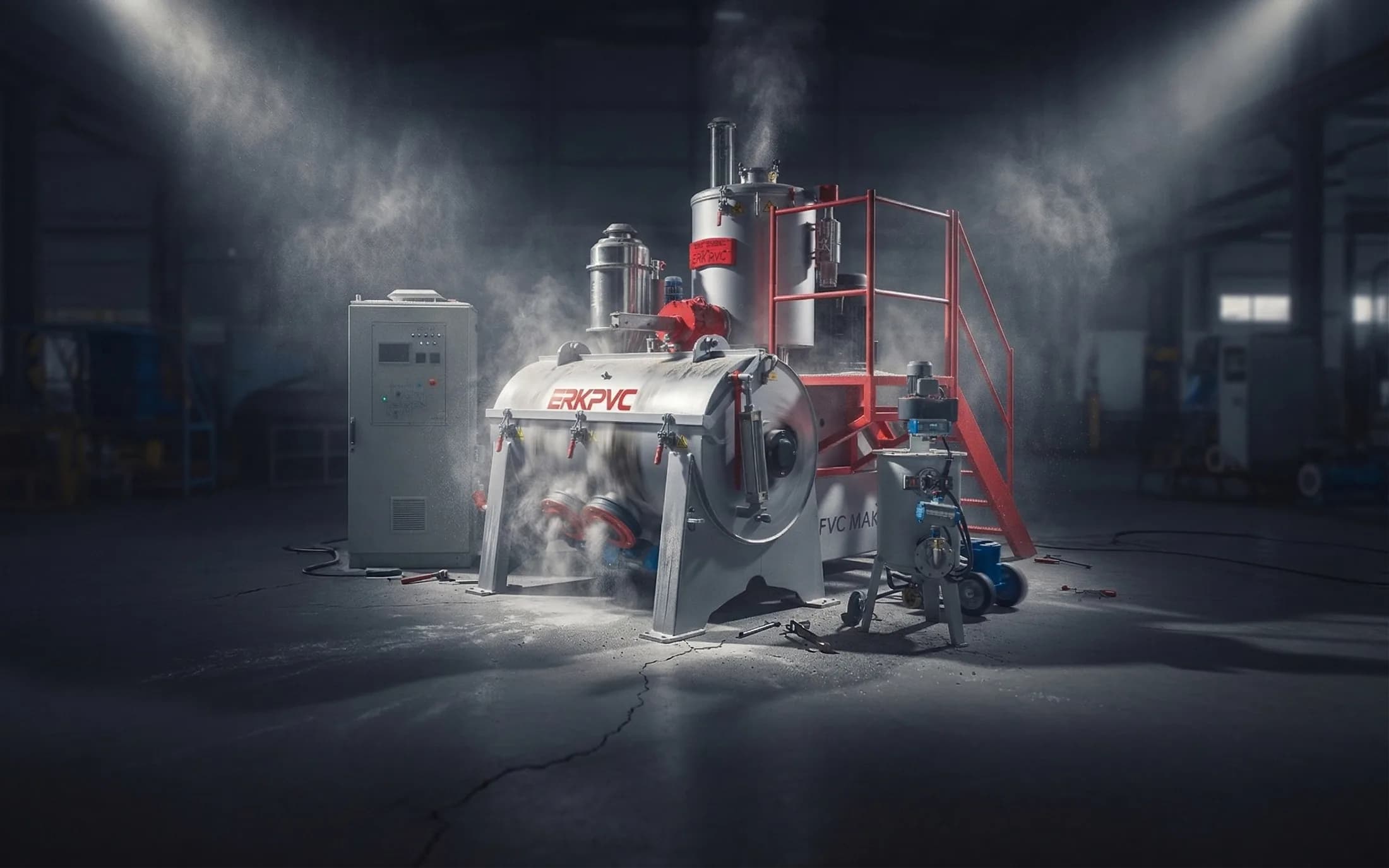
A ribbon blender (also called a ribbon mixer) is a low-speed mixing machine with a helical ribbon agitator turning inside a horizontal trough. The ribbons move material along the trough in one direction while also pushing it back the other way, so the product is constantly turned over and a uniform blend is reached quickly.
The Erk ribbon blender is designed for powders, granules and mixes that do not need high speed. Because it does not generate frictional heat, it is the right tool for heat-sensitive products, blends where granule shape must be preserved and delicate premixes.
How it works
- Charging: Powder or granular raw materials are loaded through the top cover or from a dosing system. For accurate weighing, it can be combined with an automatic powder dosing system.
- Blending: The ribbon agitator moves the product both axially and radially at low speed.
- Liquid addition (optional): Where needed, liquid additives are sprayed evenly over the product during mixing.
- Discharge: The finished blend is discharged from the centre or the side, depending on the chosen design.
Configuration options
Materials of construction
The whole blender, or only the product-contact parts, can be built in carbon (black) steel or stainless steel. Stainless steel suits applications where product purity and corrosion resistance matter; carbon steel is an economical choice for general duty.
Speed and drive
- Single-speed drive: simple and dependable for standard recipes.
- Two-speed drive: two fixed speeds for different mixing stages or products.
- FV (frequency variator) variable speed: stepless speed adjustment to suit each recipe.
Agitator and options
- Removable agitator blades: a special design that simplifies maintenance and cleaning between products.
- Liquid spray system: for even distribution of liquid additives over the powder.
- Side turbine-type choppers: to break up lumps and improve dispersion when liquids are added.
- Centre or side discharge: to suit the plant layout and downstream equipment.
- Safety interlock and timer relay: an interlock that prevents running with the cover open, and a timer that ends the mixing cycle automatically.
Ribbon blender or turbo mixer?
The two machines do different jobs:
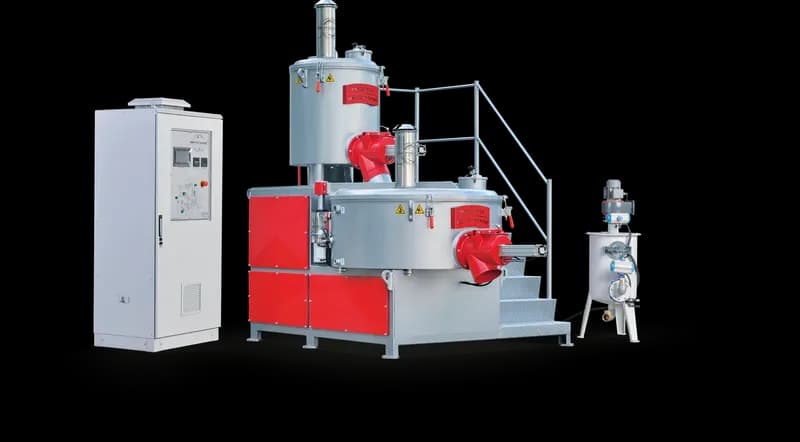
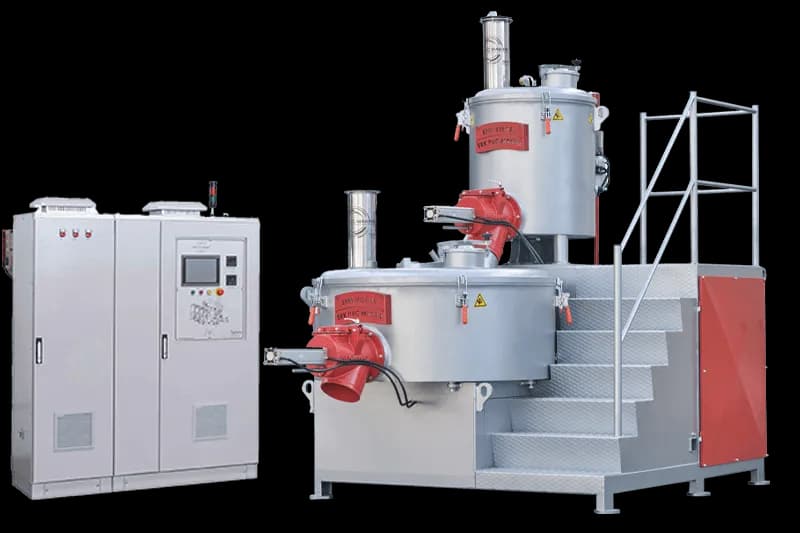
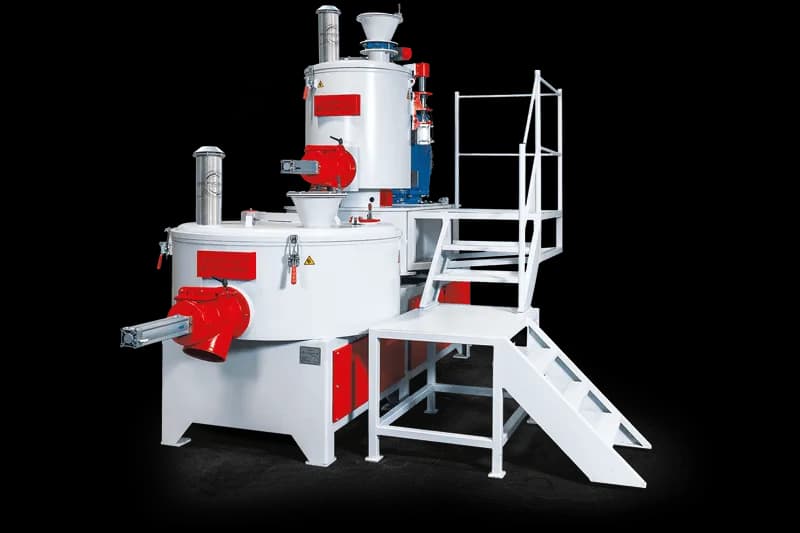
- A turbo mixer runs at high speed and uses frictional heat. It is essential where additives have to be worked thermally into the resin, as in PVC dry blend. For that, see our EPM-H horizontal turbo mixer and EPM-V series.
- A ribbon blender mixes at low speed without generating heat. It suits powder and granule premixes, additive packages, heat-sensitive products and blends where granule shape must be kept intact.
Some plants use both: additives are premixed in the ribbon blender and then dosed into the turbo mixer.
Applications
- PVC and plastics additive premixes
- Polymer granule and powder blends
- Powdered chemicals and mineral fillers
- Powder blends with liquid additions
Choosing the right ribbon blender
Vessel size is only part of the picture; the product itself drives most of the decisions. When preparing a quote we typically look at:
- Product form: powder, granules or a mix of both, plus bulk density and flow behaviour.
- Batch size: how much is mixed per batch and the total needed per shift.
- Liquid addition: whether the recipe contains liquids and in what proportion, which determines the need for a spray system and choppers.
- Hygiene and corrosion: whether product-contact surfaces need to be stainless steel.
- Layout: the equipment below the blender and the most suitable discharge point.
Line integration
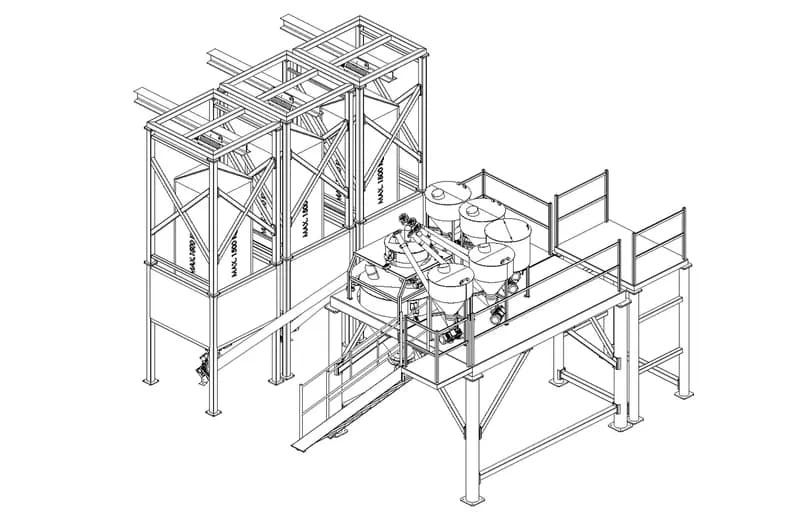
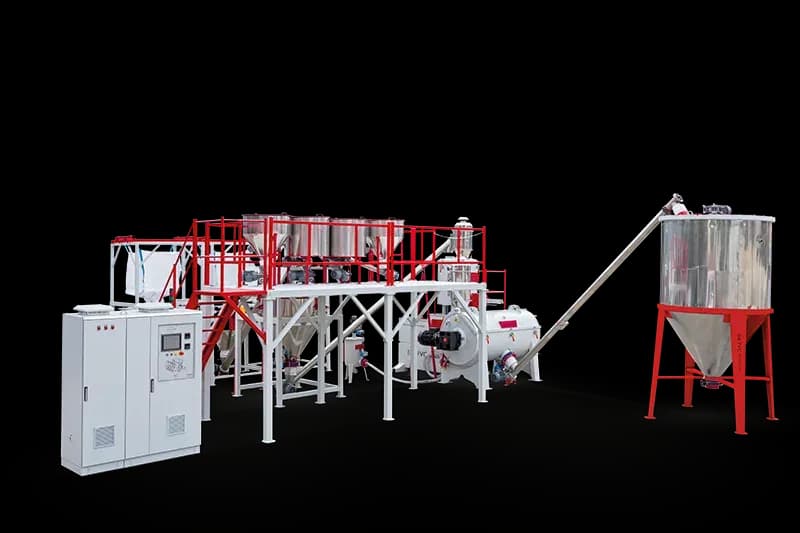
The ribbon blender can work as a stand-alone unit or as part of a line with dosing, sieving and conveying. A powder sieve for checking the blend and a flexible screw conveyor for onward transport can be supplied from the same source. Our ribbon blenders are built at our factory in Ergene, Tekirdağ, with installation, training and spare parts support.
To configure the right ribbon blender for your process and get a price, request a quote.
Applications
Downloads
Frequently Asked Questions
When should I use a ribbon blender instead of a turbo mixer?
Use a ribbon blender for powders, granules and mixes that do not need high speed or frictional heat, such as premixes and heat-sensitive products. A turbo mixer is the right choice when additives must be worked thermally into the resin, as in PVC dry blend.
Can liquids be added during mixing?
Yes. An optional liquid spray system distributes liquid additives over the powder during mixing, and side turbine-type choppers can be added to prevent lumps from forming.
What materials are ribbon blenders made from?
The whole blender or only the product-contact parts can be made in carbon (black) steel or stainless steel. The choice depends on the purity and corrosion requirements of your product.
Is the mixing speed adjustable?
Single-speed, two-speed and FV (frequency variator) variable-speed drives are available. With the FV option the speed can be adjusted steplessly to suit each recipe.
What drives ribbon blender price?
Price depends on vessel size, materials of construction, drive type, options such as liquid spray and choppers, discharge design and safety equipment. Share your product and target output in the quote form for current pricing.
EPM-R
Request a Quote
Fill in the form and our sales engineers will get back to you within one business day.