

Mixer Blades
Original turbo mixer blades and impellers in geometries matched to rigid or soft PVC recipes, supplied from stock.

Highlights
Why do mixer blades matter so much?
In a PVC turbo mixer, the part with the biggest influence on blend quality is the heating mixer's impeller. Running at high speed, the blades both mix the material and heat it through friction. How evenly stabilisers, lubricants and other additives coat the resin particles depends largely on how the impeller moves the material.
That is why mixer blades are not just a consumable. Blade geometry directly affects heating time, energy consumption and the bulk density of the dry blend.
Different geometries for rigid and soft PVC
Erk PVC Makine uses different blade geometries depending on the type of recipe:
- Rigid PVC: profile, pipe and cable trunking recipes are often highly filled and need fast, controlled heating.
- Plasticised (soft) PVC: in cable, hose and film recipes the priority is even absorption of the plasticiser and avoiding lumps.
If your product range has changed, or your current impeller is not giving the result you expect, we can review the right geometry for your recipe with you.
How does a mixer impeller work?
In the field the same part is called a mixer impeller, mixer blade or turbo mixer rotor. In a heating turbo mixer the impeller turns at high speed at the bottom of the vessel. The blades throw material outwards and upwards; it rises along the vessel wall, turns back towards the centre at the top and drops onto the impeller again. This constant circulation brings every resin particle into contact with the blades and with other particles many times over.
The impeller does two jobs at once:
- Mixing: spreading stabiliser, lubricant, filler and pigment evenly over the surface of the resin particles.
- Heating: using the friction between particles to bring the batch to the target temperature set by the recipe.
The shape and arrangement of the blades set the balance between these two jobs. An impeller that does not lift the material enough leaves dead zones in the vessel; one that is too aggressive for the recipe heats the batch quickly but may not leave the additives enough time to spread.
What to consider when choosing an impeller
- Recipe type: rigid or plasticised PVC, and the plasticiser content.
- Filler content: wear speeds up as calcium carbonate content rises; plan maintenance accordingly.
- Mixer model: the impeller must match the vessel geometry and the mixer's design speed.
- Heating time: the time to reach target temperature sets the number of batches per hour and therefore mixer capacity.
- Maintenance access: blades that are easy to remove and fit shorten downtime.
When should blades be replaced?
Wear depends on two factors: the filler (calcium carbonate) content of the recipe and the mixer's running hours. Blades wear faster with highly filled recipes. These signs indicate that the blades should be inspected:
- The blend takes longer to reach its target temperature
- Dry blend quality or bulk density changes
- Vibration or noise from the mixer increases
Routine maintenance should include checking blade balance and edge wear. An unbalanced impeller affects not only blend quality but also the life of the shaft and bearings.
What to watch when replacing blades
Replacing worn blades is the quickest way to bring a mixer back to its original mixing performance, but it has to be done properly:
- Make sure the blades match your mixer model and recipe type.
- Treat the impeller as a set; if one blade is worn, the others should be checked too.
- Check balance after fitting and watch for vibration on the first run.
- Inspect the vessel interior and seals during the same maintenance stop.
Our service team can support blade replacement and inspection remotely or on site.
Papenmeier and Henschel type blades
Besides blades for Erk mixers, we manufacture mixer blades for the widely used Papenmeier and Henschel type turbo mixers. For mixers from other manufacturers we can make custom blades to the dimensions of the existing blade and the vessel geometry. For a quotation, send us your mixer’s make and model, photos of the current blade and its main dimensions.
Tungsten carbide coating (optional)
Blades can be supplied with an optional tungsten carbide coating. Tungsten carbide is a wear-resistant coating material, chosen especially to protect blade edges in abrasive recipes with a high calcium carbonate content. We assess together at quotation stage whether the coating suits your recipe.
Why original spare parts?
Original blades are made to suit the mixer's vessel geometry and design speed. Non-matching parts can reduce blend quality and put extra strain on other components. Original blades for Erk mixers are supplied from stock, keeping your downtime short.
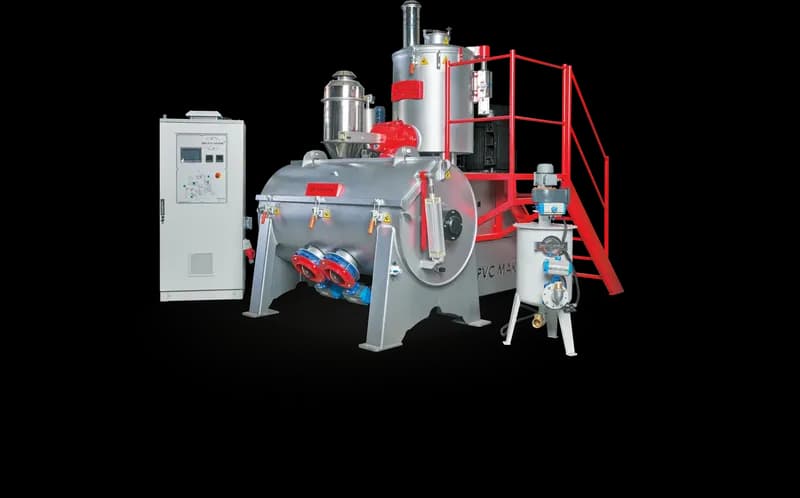
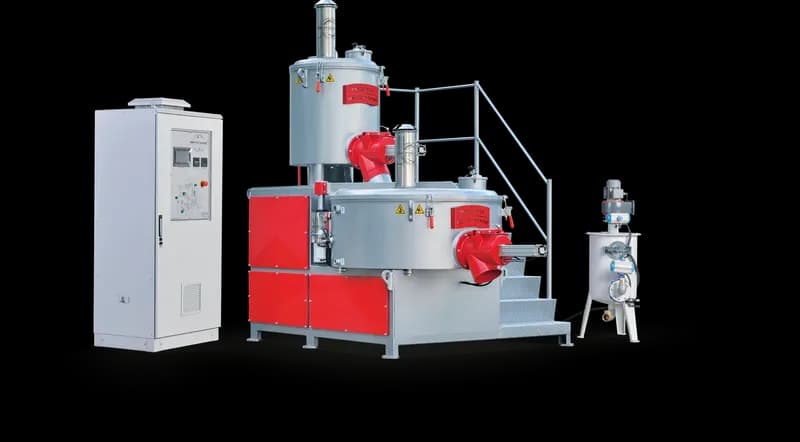
Blades are available for our horizontal turbo PVC mixer and vertical turbo PVC mixer series. For other components, see our spare parts page, or ask about a complete line through our line configurator.
Send us your mixer model and recipe type, and we will quickly quote original mixer blades for your machine.
Applications
Downloads
Frequently Asked Questions
How often should turbo mixer blades be replaced?
The replacement interval depends on the filler (calcium carbonate) content of your recipes and the running hours of the mixer. Highly filled recipes wear blades faster, so we recommend regular checks of balance and edge wear.
Can the same impeller be used for rigid and soft PVC?
It can, but it will not give the best result. Erk PVC Makine uses different blade geometries for rigid and plasticised PVC, and we can help you choose the right impeller for your product range.
How do worn blades affect blend quality?
Worn blades move the material less effectively, so heating takes longer, additive distribution can suffer and dry blend quality may change. Unbalanced blades also put extra load on the shaft and bearings.
Are original mixer blades available from stock?
Yes. Original blades for Erk mixers are supplied from stock. Sharing your mixer model and serial number helps us ship the correct part quickly.
Can you supply blades for mixers from other manufacturers?
Yes. We make custom blades for mixers from other manufacturers, Papenmeier and Henschel type mixers in particular. Send us your mixer’s make and model, photos of the current blade and its dimensions.
Do you coat mixer blades?
Yes. Blades can be supplied with an optional tungsten carbide coating, chosen especially for abrasive recipes with a high calcium carbonate content. We assess its suitability for your recipe together.
Get a Quote
Request a Quote
Fill in the form and our sales engineers will get back to you within one business day.